
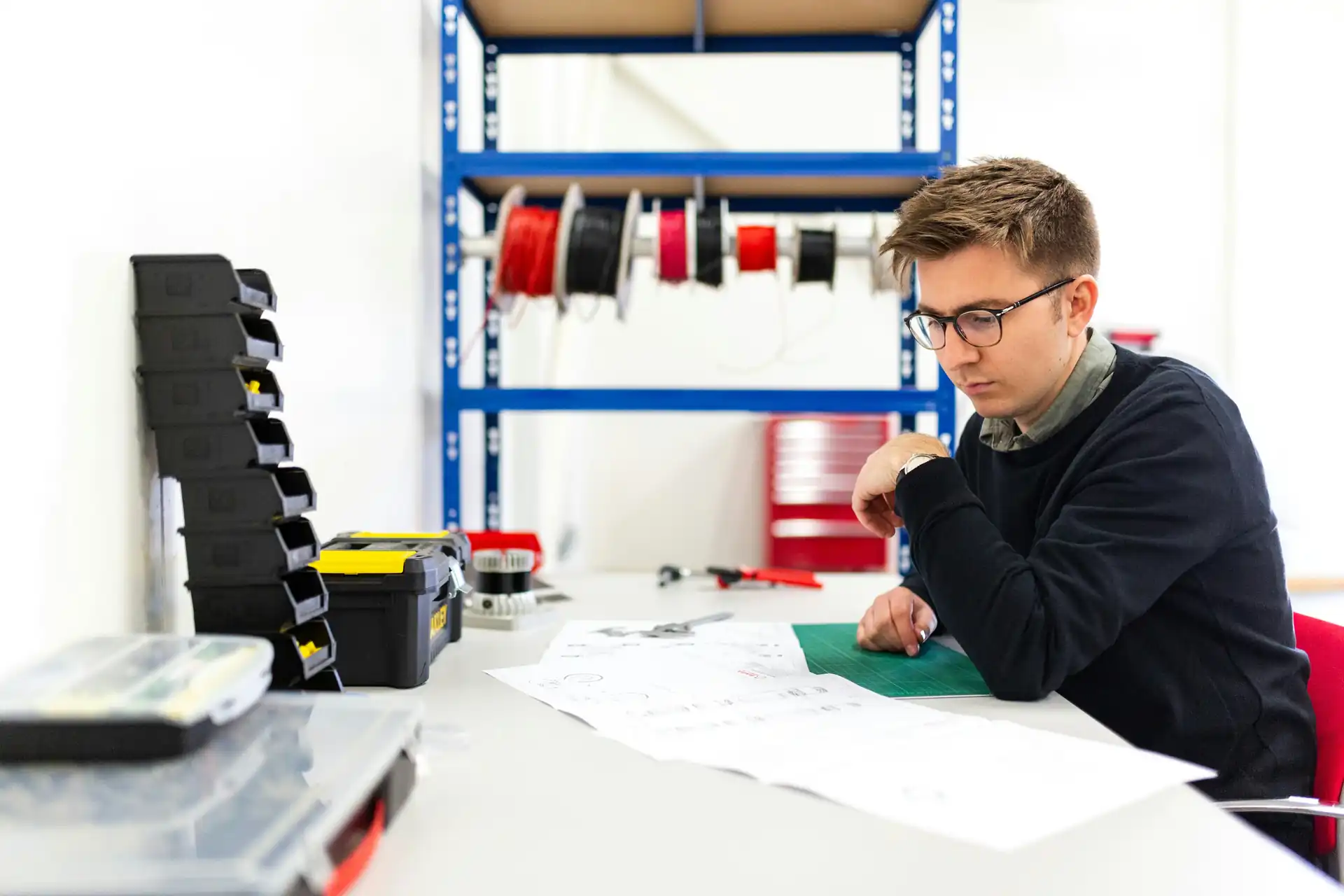
Founder & Chief Executive Officer

Founder & Chief Executive Officer | Structural Engineer | Architect
Robert Murray is the Founder and Chief Executive Officer of Prime Span Construction, bringing a distinctive combination of architectural vision and structural engineering expertise to every project the firm undertakes.
With formal training and professional credentials in both architecture and structural engineering, Robert represents a rare breed of building professional capable of bridging the traditional divide between design disciplines. This dual expertise informs his leadership philosophy and has become the defining characteristic of the firm he founded.
"Architecture and engineering are not separate pursuits—they are complementary aspects of a single endeavor: creating buildings that serve human needs while standing safely and beautifully for generations."
Robert's career began with a rigorous education in structural engineering, where he developed deep expertise in the analysis and design of building systems. His early professional years were spent working on complex structural projects—high-rise buildings, long-span structures, and challenging foundation conditions—that required sophisticated technical problem-solving and close attention to construction feasibility.
During this period, he observed a recurring pattern: the most successful projects were those where structural considerations were integrated into the design process from the earliest stages, rather than addressed after architectural decisions had already been made. The most problematic projects, conversely, were those where engineering was treated as an afterthought—an obstacle to be overcome rather than a tool to be leveraged.
This observation led Robert to pursue architectural training, seeking to understand design from the perspective of those who shape spaces and craft experiences. He studied architectural theory, design methodology, and the history of buildings that had successfully married technical innovation with aesthetic achievement. This complementary education transformed his understanding of how buildings come into being and what makes them succeed or fail.
Prime Span Construction was established with a specific vision: to create a practice where architecture and engineering would function as true partners rather than separate disciplines working in parallel. The firm's structure reflects this vision, with architects and engineers sharing workspace, collaborating on project teams, and learning from each other's perspectives.
Under Robert's leadership, the firm has grown from a small consulting practice into a comprehensive design-build organization capable of delivering projects from initial concept through final construction. Throughout this growth, the founding principle of integrated practice has remained central to operations. Every team member understands that their work exists within a broader context, and that success requires coordination across traditional disciplinary boundaries.
The firm's portfolio reflects the breadth of Robert's interests and capabilities: commercial developments, educational facilities, healthcare buildings, residential projects, and complex renovations. What unites this diverse body of work is a consistent commitment to structural integrity, design quality, and buildability—the three pillars that Robert established when he founded the practice.
Despite the firm's growth, Robert maintains direct involvement in project work. He reviews structural calculations, participates in design critiques, and visits construction sites to ensure that built work matches design intent. This hands-on approach keeps him connected to the technical challenges that drive innovation and the construction realities that determine project success.
Robert believes that effective leadership in a technical practice requires ongoing engagement with the work itself. Design review sessions benefit from his dual perspective, as he can evaluate proposals through both architectural and engineering lenses simultaneously. Construction meetings gain from his ability to translate between design teams and contractors, identifying potential conflicts before they manifest in the field.
This active involvement also serves a mentorship function. Younger team members learn by working alongside experienced leadership, absorbing professional standards and technical approaches that cannot be conveyed through formal training alone. Robert views talent development as an essential leadership responsibility, investing time in guiding the next generation of integrated practitioners.
Robert believes that credible leadership in architecture and engineering requires genuine technical competence. He maintains active involvement in calculations, drawings, and specifications—not to micromanage, but to ensure that the firm's standards remain rooted in practical expertise rather than abstract theory. This technical engagement also allows him to identify emerging challenges and opportunities that might not surface through management reporting alone.
Every project represents a significant commitment of resources and trust by the client. Robert approaches client relationships as partnerships, working to understand not just immediate project requirements but broader organizational goals and constraints. This perspective shapes how the firm prioritizes decisions, communicates progress, and navigates inevitable challenges. Clients are kept informed and engaged throughout the process, never surprised by developments that could have been anticipated and addressed proactively.
In an industry where competitive pressures can tempt shortcuts, Robert insists on maintaining quality standards regardless of external pressures. This commitment sometimes means declining projects that cannot be executed to the firm's standards, or investing additional effort when circumstances require it. Over time, this reputation for quality has become a competitive advantage, attracting clients who value reliability and excellence over the lowest possible fee.
Each project offers lessons that can improve future work. Robert has institutionalized processes for capturing and applying these lessons, from formal post-project reviews to informal knowledge sharing among team members. The firm's methods continue to evolve, incorporating new technologies, responding to changing client needs, and addressing emerging challenges in building design and construction.
Looking ahead, Robert sees tremendous opportunity to expand the integrated practice model that has defined Prime Span Construction's success.
The building industry continues to evolve, with increasing emphasis on sustainability, resilience, and performance measurement. These trends favor firms that can address complex, interconnected challenges—exactly the kind of work that integrated practice enables. Robert is positioning the firm to lead in these areas, investing in capabilities that will become increasingly valuable as client expectations continue to rise.
At the same time, he remains committed to the principles that have guided the firm from its founding: technical excellence, design quality, and unwavering attention to buildability. These fundamentals will remain central to operations regardless of how markets evolve or technologies change. Buildings must still stand safely, function effectively, and serve human needs—the core challenges that drew Robert to this profession and continue to motivate his work today.
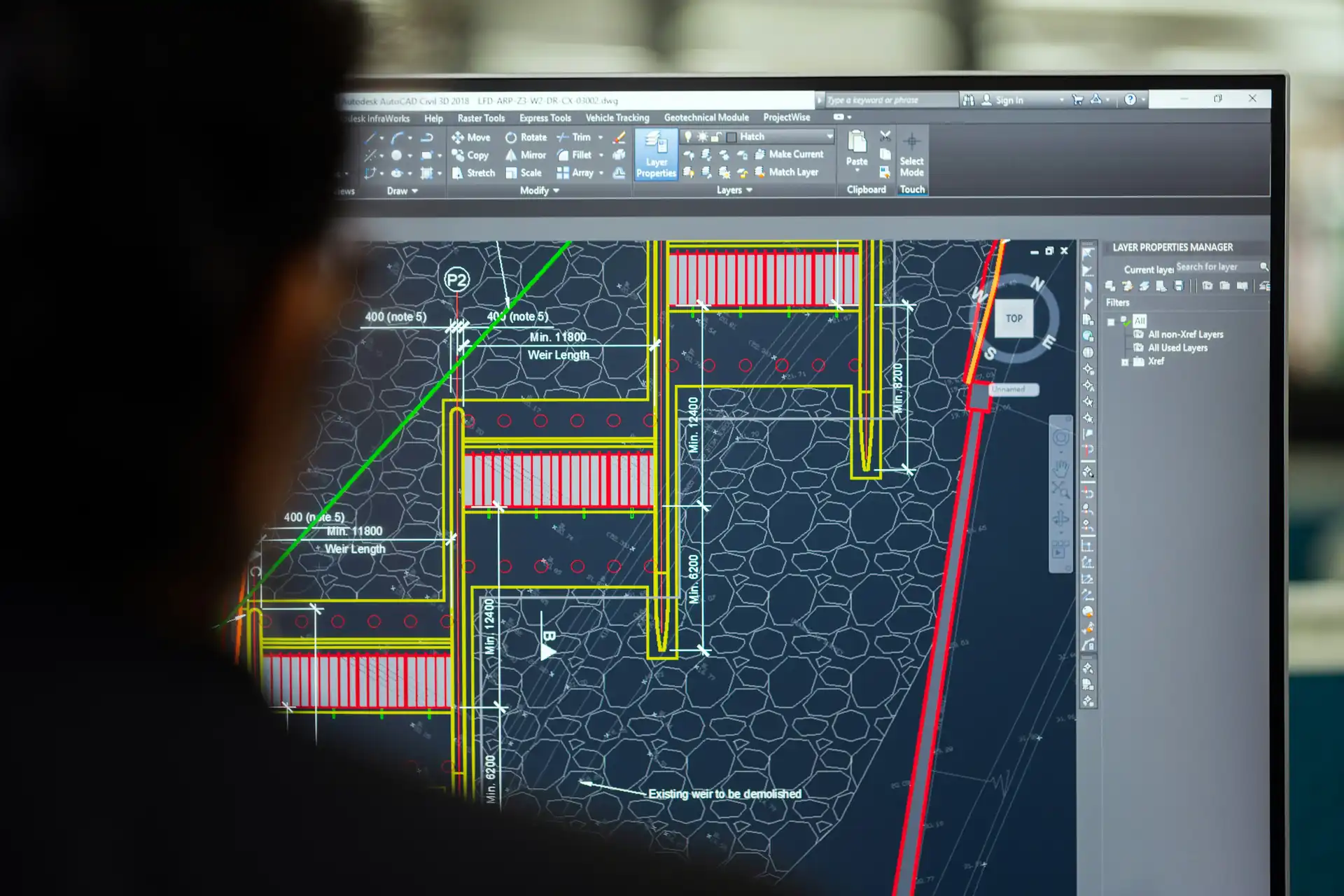
Robert Murray and the leadership team welcome inquiries about projects, partnerships, and the firm's capabilities. We look forward to discussing how Prime Span Construction can contribute to your next endeavor.